Water Damage Restoration Lake Oswego, OR
24/7 water damage restoration in Lake Oswego, OR. The restoration team extracts standing water, dries the structure to the IICRC S500 standard and documents every step for your insurance claim.
What to do while the water is still moving
Four steps that limit the damage before the extraction crew gets there.
Shut off the water
Close the main valve, often in the garage, a utility closet or near the crawl space hatch. For a water heater, close the cold supply valve on top of the tank.
Cut power to wet areas
If water is near outlets, cords or a furnace, switch those circuits off at the panel, but only if the panel sits somewhere dry.
Photograph before moving anything
Take wide shots of each wet room, the source and the high-water mark on the walls. Adjusters look for these first.
Lift what you can
Move rugs, electronics, papers and photos off wet floors. Leave wet drywall and carpet in place for the moisture map.
Water Damage Restoration Services in Lake Oswego, OR
Twelve dedicated services, each on its own page, led by the calls homes here make most: wet crawl spaces, flooded lower levels and pipes split in an ice storm.
 01Water Extraction and RemovalThe first job on almost every loss. Truck-mounted and portable units pull standing water off floors and out of carpet.Open the service ›
 02Crawl Space Water RemovalWinter seepage and pipe leaks pool under the house. The crew pumps it out, pulls wet insulation and dries the joists.Open the service ›
 03Basement Flooding CleanupDaylight basements on hillside lots catch runoff. Water is extracted, wet drywall cut and the lower level dried.Open the service ›
 04Frozen Pipe Water DamageAn ice storm splits pipes in crawl spaces, garages and outside walls. The leak shows at the thaw; the drying follows.Open the service ›
 05Burst Pipe Water DamageA failed supply pipe inside a wall or ceiling. The water gets shut off, extracted and the cavities dried.Open the service ›
 06Storm Water DamageWind-driven rain and runoff that get in at doors, windows and siding during a winter storm.Open the service ›
 07Roof Leak Water DamageFallen limbs, moss and worn flashing let rain into attics. Wet insulation comes out and ceilings get dried.Open the service ›
 08Ceiling Leak Water DamageA tub, toilet or pipe leak on the floor above. The source is traced and the ceiling opened and dried.Open the service ›
 09Water Heater Leak CleanupTank failures in garages and closets, extracted before nearby walls and stored boxes soak through.Open the service ›
 10Appliance Leak Water DamageWasher hoses, dishwashers, fridge ice makers and toilet supplies, dried out of floors and cabinets.Open the service ›
 11Sewage Backup CleanupCategory 3 from the first minute. Removal in protective gear, porous materials out, surfaces treated.Open the service ›
 12Structural Drying and DehumidificationLGR and desiccant dehumidifiers, air movers and daily readings until framing and floors match a dry reference.Open the service ›
How a water loss is handled here
Every job follows the same four commitments, whether it is a small closet leak or a flooded lower level.
Rapid local response
Dispatch runs 24/7, and active water is treated as urgent at night, on weekends and on holidays.
IICRC S500 drying standard
The drying team follows the industry standard: structural drying, not just surface drying, with equipment sized to the class of loss.
Claim-ready documentation
Moisture maps, daily psychrometric logs and timestamped photos are taken before anything wet is removed.
Local water know-how
The local restoration pros plan around wet crawl spaces, hillside runoff, ice-storm freezes and roofs under tall firs.
Water damage dried to the IICRC S500 standard
Drying is measured, not guessed. The equipment stays until the readings say dry.
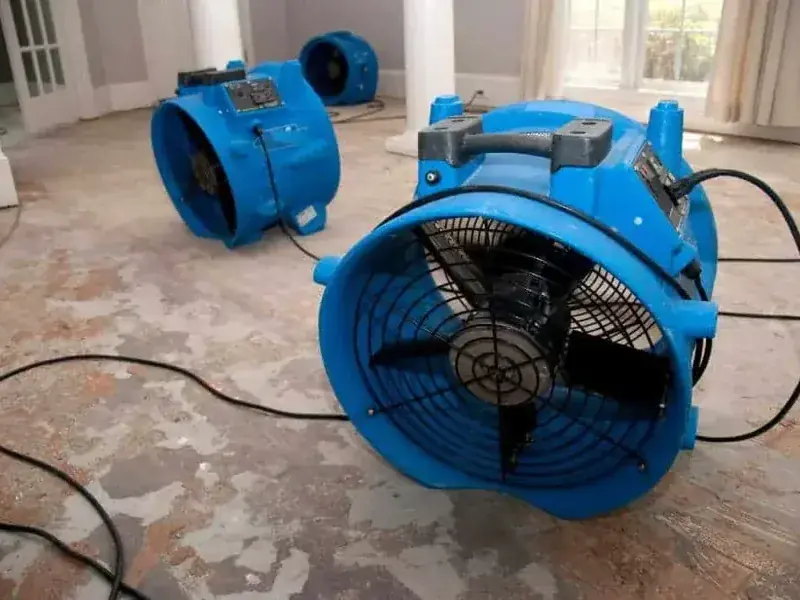
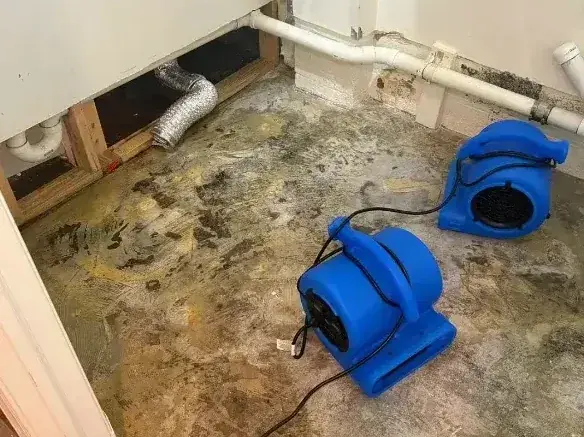
- Map the moisture. The tech who does the walkthrough uses pinless meters and thermal imaging to find every wet wall, floor and joist bay.
- Extract the water. The extraction crew pulls standing water first, since removing water is far faster than evaporating it.
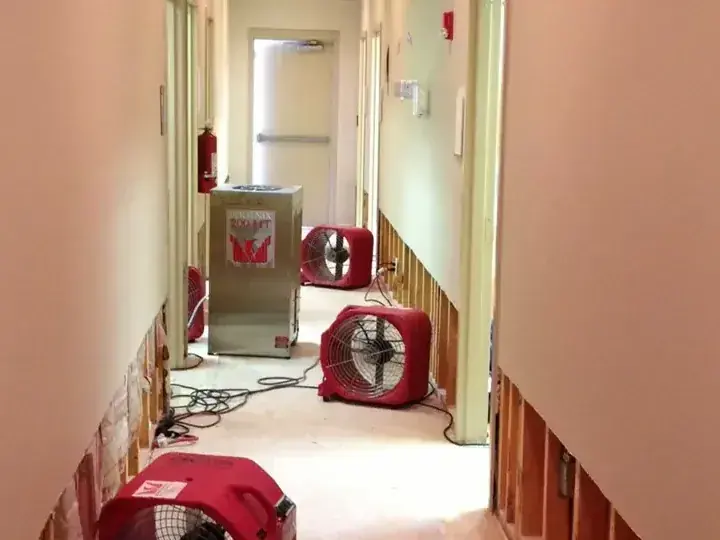
- Set the drying plan. Air movers and LGR dehumidifiers are placed to match each room's evaporation load; desiccants handle dense materials.
- Verify with readings. Daily readings go into the drying log until every material sits within 2 to 4 points of a dry reference.
All water damage categories covered in Lake Oswego, OR
The category decides what can be dried in place and what has to come out.
Category 1: clean water
Supply pipes, water heaters and ice makers. Caught early, most materials dry in place with extraction and dehumidification.
Burst pipe water damage ›Category 2: gray water
Washer and dishwasher discharge or a toilet overflow without waste. Wet pad comes out and surfaces get an EPA-registered antimicrobial.
Appliance leak water damage ›Category 3: black water
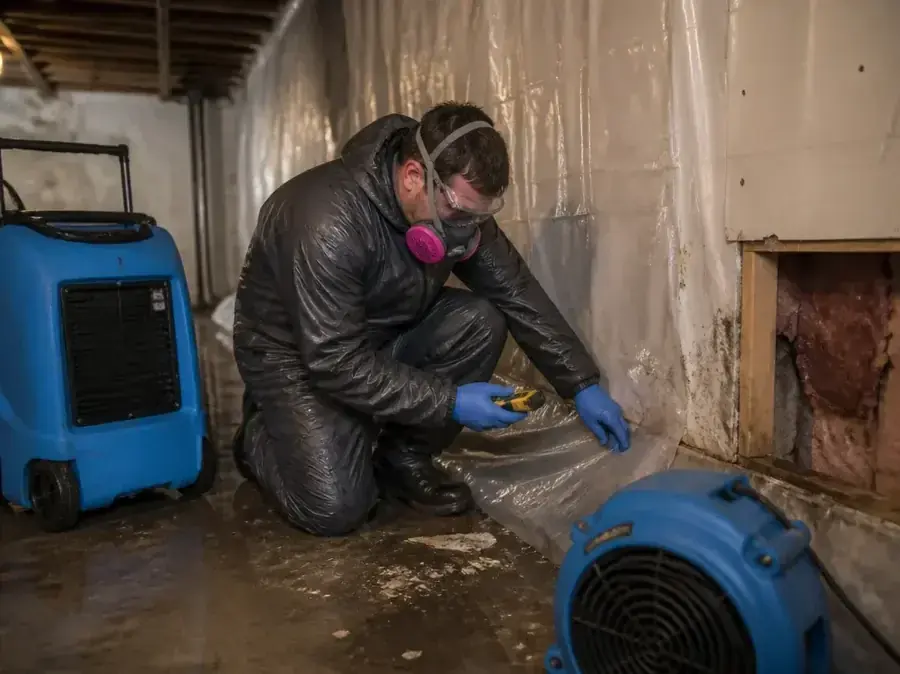
Sewage, ground water and storm runoff. Porous materials it touched are removed, not dried, under containment.
Sewage backup cleanup ›What does water damage restoration cost in Lake Oswego, OR?
Most water damage restoration jobs in Lake Oswego, OR run $1,200 to $9,000; a sewage loss, a soaked crawl space or a finished lower level can reach $9,000 to $30,000 or more. The water category, the square footage, the materials and how fast drying started move the number most.
Contained leak
$1,200 to $3,500One room or a small area of clean water, extracted and dried in place over a few days.
One level or crawl space
$3,500 to $9,000Several rooms or the whole crawl space, with wet pad or insulation removed and flood cuts where needed.
Major or Category 3 loss
$9,000 to $30,000+Sewage, a finished lower level or most of a floor, with removal, containment and rebuild prep.
Every home is different. The water damage cost calculator gives a range for the loss in front of you.
Documentation for your insurance claim
A water claim is decided on the file. The drying team builds it while the work happens:
- A moisture map of every wet room, wall and floor
- Daily psychrometric logs: temperature, humidity and material readings
- Timestamped photos taken before any demolition
- The water category and class of loss, recorded at the start
- An itemized, Xactimate-style scope of the work
Sudden and accidental water, such as a burst pipe or a failed supply hose, is commonly covered by homeowners policies. Rising surface water is flood, which standard policies exclude and a separate flood policy covers.
Coverage depends on your policy, so check with your own insurer before assuming either way.
What a water damage dry-out looks like in Lake Oswego
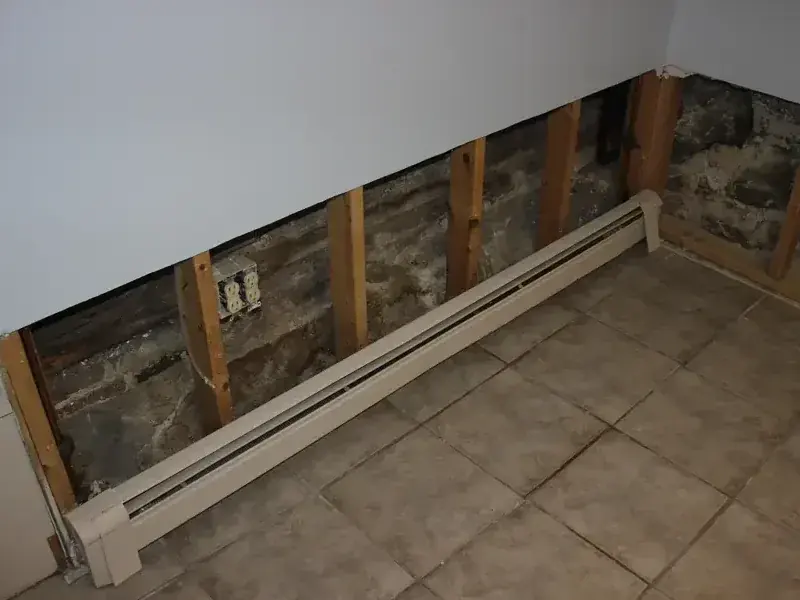
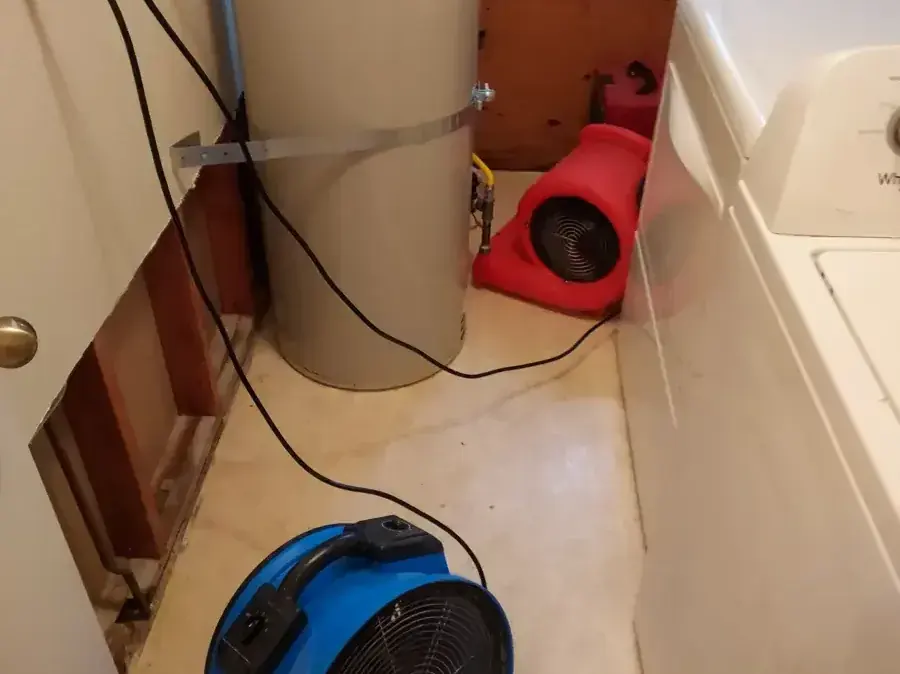
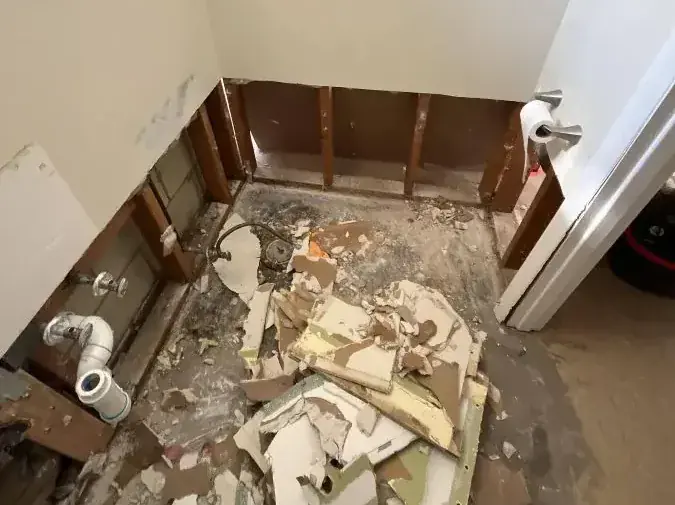
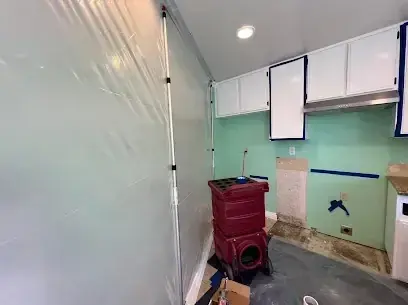
From First Addition to Mountain Park, every neighborhood
Dispatch covers both ZIP codes and the cities around the lake, day or night.
ZIP codes covered
Not sure the street is covered? If water is coming in, call anyway.
One call reaches Lake Oswego water damage pros, 24/7
One call starts extraction, drying or sewage cleanup in any neighborhood listed here, at any hour.
Email works for questions that can wait; for active water, call.
Find us on GoogleAround the lake
- First Addition
- Old Town
- Lakewood
- Evergreen
- McVey-South Shore
- Glenmorrie
Lake Grove and the west side
- Lake Grove
- Westlake
- Waluga
- Bryant
- Blue Heron
- Holly Orchard
Hills and ridges
- Mountain Park
- Palisades
- Forest Highlands
- Uplands
- Westridge
- Skylands
- Birdshill
- Hallinan
Why water finds its way into Lake Oswego homes
Three local facts explain most of the water damage here. Most homes went up between the 1960s and the 1990s over vented crawl spaces, and hillside lots often carry daylight basements. Most of the year's rain falls from October to April, so the soil stays saturated for months, runoff from the slope above reaches the lowest level, and tall Douglas firs drop limbs onto roofs in winter wind.
February 1996, February 2021, January 2024. The 1996 flood pushed the Willamette and Tualatin rivers far above flood stage, and the ice storms of 2021 and 2024 froze pipes in crawl spaces, garages and outside walls across the Portland area.
Water damage questions from Lake Oswego homeowners
How fast does someone respond to water damage here?
Dispatch runs 24/7, and active water is treated as urgent at any hour, holidays included. Speed matters because water keeps moving into pad, drywall and framing until extraction starts, and mold can begin growing on wet materials in 24 to 48 hours.
What should I do while I wait?
If it is safe, close the main valve, switch off circuits near the water at a dry panel, photograph every wet room and move rugs, electronics and papers to a dry spot. Leave wet drywall and carpet for the moisture map.
Is water damage covered by insurance?
Sudden and accidental water, like a burst pipe or a failed hose, is commonly covered. Flood, ground water and slow leaks are treated differently. The drying team documents the loss with photos and daily readings, but coverage depends on your policy, so check with your own insurer.
Why is there water in my crawl space every winter?
Months of rain saturate the soil, runoff from the yard reaches the foundation and downspouts often empty right beside it. A slow pipe leak under the floor adds more. The fix starts with pumping the water out, pulling wet insulation and drying the joists, then dealing with drainage.
How long does drying take?
A contained Class 1 loss usually dries in three to five days. Hardwood, concrete, crawl spaces and wet-season air take longer. The drying team takes readings every day and removes equipment only when materials match a dry reference.
What is the IICRC S500?
It is the industry standard for professional water damage restoration. It covers how water is categorized, how drying equipment is sized and how a structure is confirmed dry before work ends.
When does drywall have to come out?
When Category 2 or 3 water soaked it, when insulation inside the wall is wet, or when readings show the cavity will not dry in place. A flood cut removes only the wet lower section so the wall can dry.
Why is a sewage backup handled differently?
Sewage is Category 3 from the start. The crew works in protective gear, removes porous materials it touched, cleans the rest and applies an EPA-registered antimicrobial before drying.
What is the difference between mitigation and repair?
Mitigation stops the damage: extraction, removal of ruined materials and drying. Repair rebuilds what was removed. Mitigation comes first, and insurers expect it to start quickly.
How is the cost figured?
The water category, the square footage, the materials, how hard the area is to reach, such as a crawl space, and how long the water sat. The cost calculator shows how each one moves the range.
Standing water on the floor? Get the drying going.
Water that sits soaks deeper into pad, drywall and framing. One call gets extraction and drying moving anywhere around the lake, day or night.
(888) 373-8814Get the pumps and dryers rolling